


Courses
Courses and talks for difficult conversations
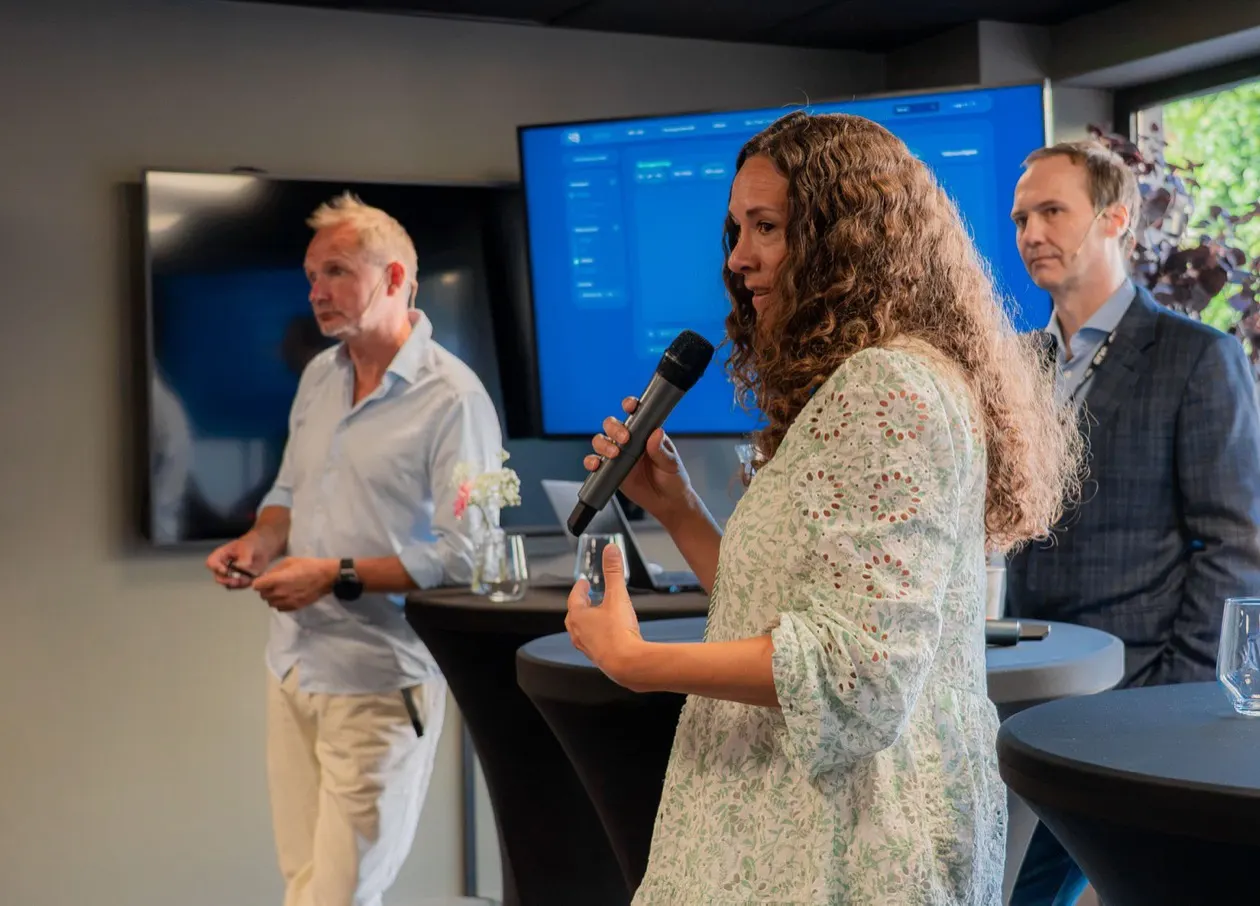
· Photo: RedAnt
Suddenly your staff are in a tricky situation. Then it is too late to become good. Then they have to be good.
Our experienced instructors give you and your staff the tools they need to meet difficult situations with confidence – and to be professional by today’s standards.
If you want lasting change, start at the top: one programme for the whole organisation. If you need something more focused, choose one of the courses below. The examples show who each offer often suits – but the method is the same, and anyone can use any of them.
Read about the research behind the courses →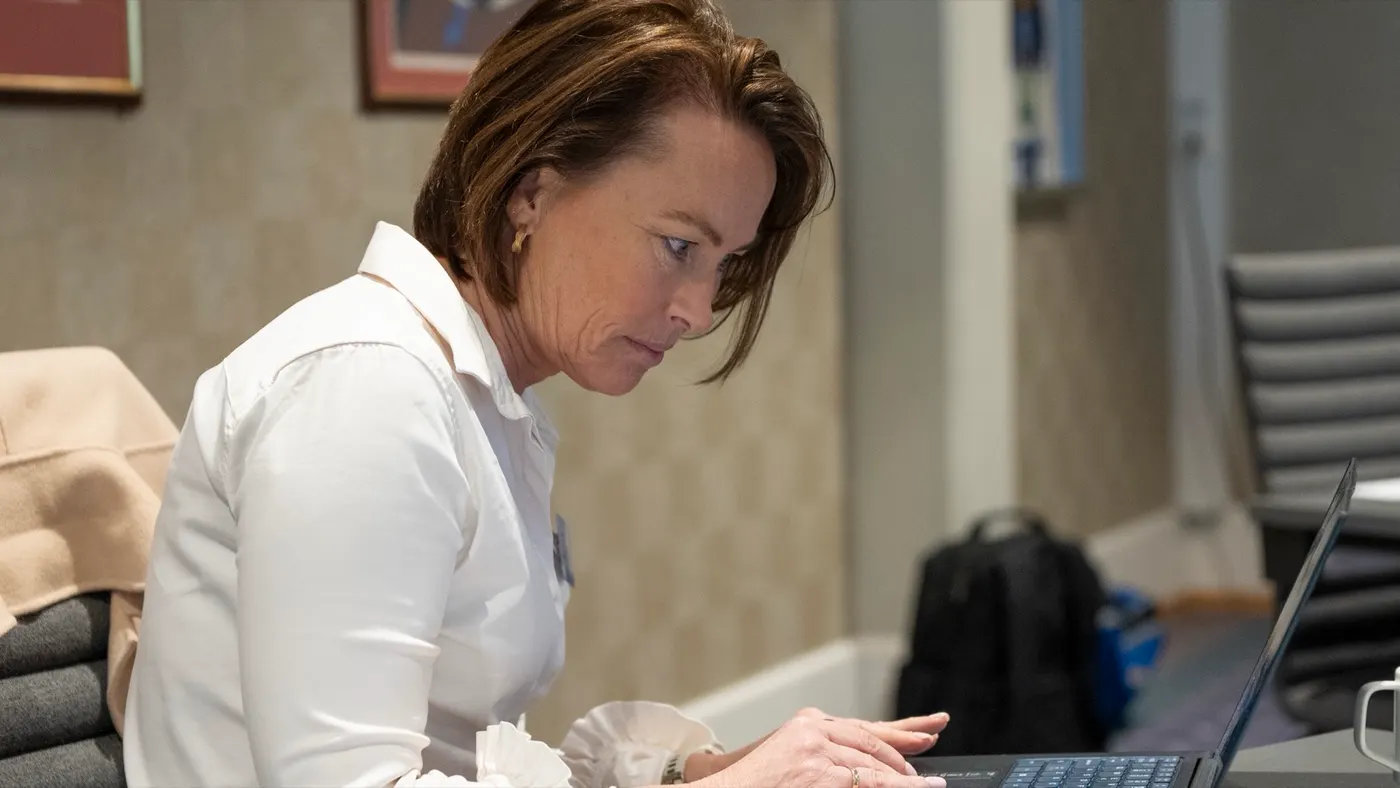
The final adjustments to the simulator during the 113 project days in Førde. (Somsagt) · Photo: Thomas Løberg (opens in a new tab)
The organisation programme: A new standard for communication
- Goal:
- Better conversations become everyday practice – across the whole organisation
- Suitable for:
- Organisations that have decided to take their communication and culture to a new level
- Duration:
- A foundation investment over one year, followed by digital refresher training and digital onboarding
What people remember is how they were treated. Prices can be compared, reviews are public, and AI is taking over more and more routine work. What sets you apart becomes the human side – in every single conversation.
One course creates enthusiasm. Follow-up turns that enthusiasm into skills that last. We deliver programmes with documented and published effect: a 20-hour course gave measurably better communication among hospital doctors – and their confidence was still stronger three years later. See the research →
That is why we start with a talk and a course in person, before training all staff digitally over a full year. Leaders get support every month, and we measure before and after using the key figures you already track. After that, digital training keeps the level up, and new staff are part of it from day one.
After more than 20 years of training in the public and private sectors, this is what we recommend. We take on a limited number of organisations at a time. If you are considering making good and effective communication part of your culture, we suggest you start with a phone call to us. We will quickly find out whether we are a good fit for each other.
The final adjustments to the simulator during the 113 project days in Førde. (Somsagt) · Photo: Thomas Løberg (opens in a new tab)
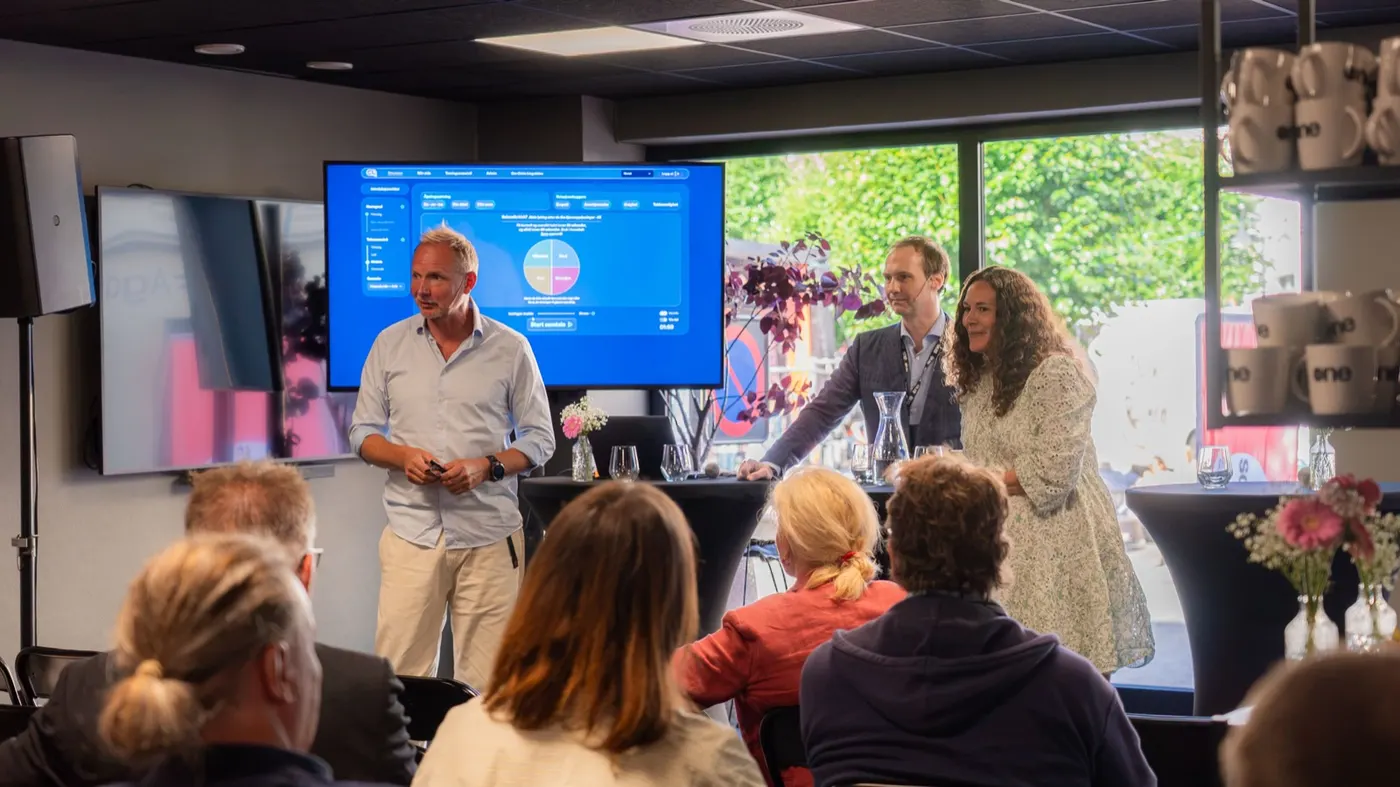
Photo: RedAnt
Talks
- Goal:
- Participants gain a renewed interest in communicating better, become aware of what they already do well – and learn one or two things they can start using in their very next conversation or meeting.
- Suitable for:
- The whole group – at the leadership meeting, the professional development day, the staff meeting or the conference
- Duration:
- Up to 3 hours · as many as there is room for
Photo: RedAnt

Breaking bad news
- Goal:
- Deliver the message so that the other person understands and feels looked after – and trust holds
- Suitable for:
- Anyone who sometimes has to say things people do not want to hear – in healthcare, banking, insurance, law firms, service and as a leader
- Duration:
- 3 hours · up to 16 participants
Everyone who meets people at work has to break bad news sooner or later – from “we’re out of coffee”, “you’re not getting a pay rise”, “you’re being laid off” and “we lost the case” to “the cancer is back”. What do you say, so that people think “well, that was rubbish” – and still call you the next time they need help or want to buy something?
Improvising rarely goes well, and with bad news you only get one chance. People don’t remember the words you used, but they remember how they felt. And that feeling stays attached to both your organisation and you as a person. We teach you a structure for what to say: how to prepare, what to say, what to do when emotions come, and how to close the conversation. With Bård Fossli Jensen.
(Somsagt) · Photo: Thomas Løberg (opens in a new tab)

Training day at Grefsenkollen, 2016. In the photo: (Somsagt), Torun Vatne, Yngvild Skåtun Hannestad · Photo: Ingar Næss, StudioF2
Core training: Four good habits for effective communication
- Goal:
- More confident conversations – from start to finish
- Suitable for:
- Everyone who talks with customers, patients or users
- Duration:
- Two days · up to 16 participants per instructor
Training day at Grefsenkollen, 2016. In the photo: (Somsagt), Torun Vatne, Yngvild Skåtun Hannestad · Photo: Ingar Næss, StudioF2
(Somsagt) · Photo: Per Heimly
When the customer is angry, afraid or desperate
- Goal:
- Calm anger quickly and say no without losing the relationship
- Suitable for:
- Everyone who meets customers and users when emotions take over
- Duration:
- Assessed according to the level of difficulty and the work situation
(Somsagt) · Photo: Per Heimly
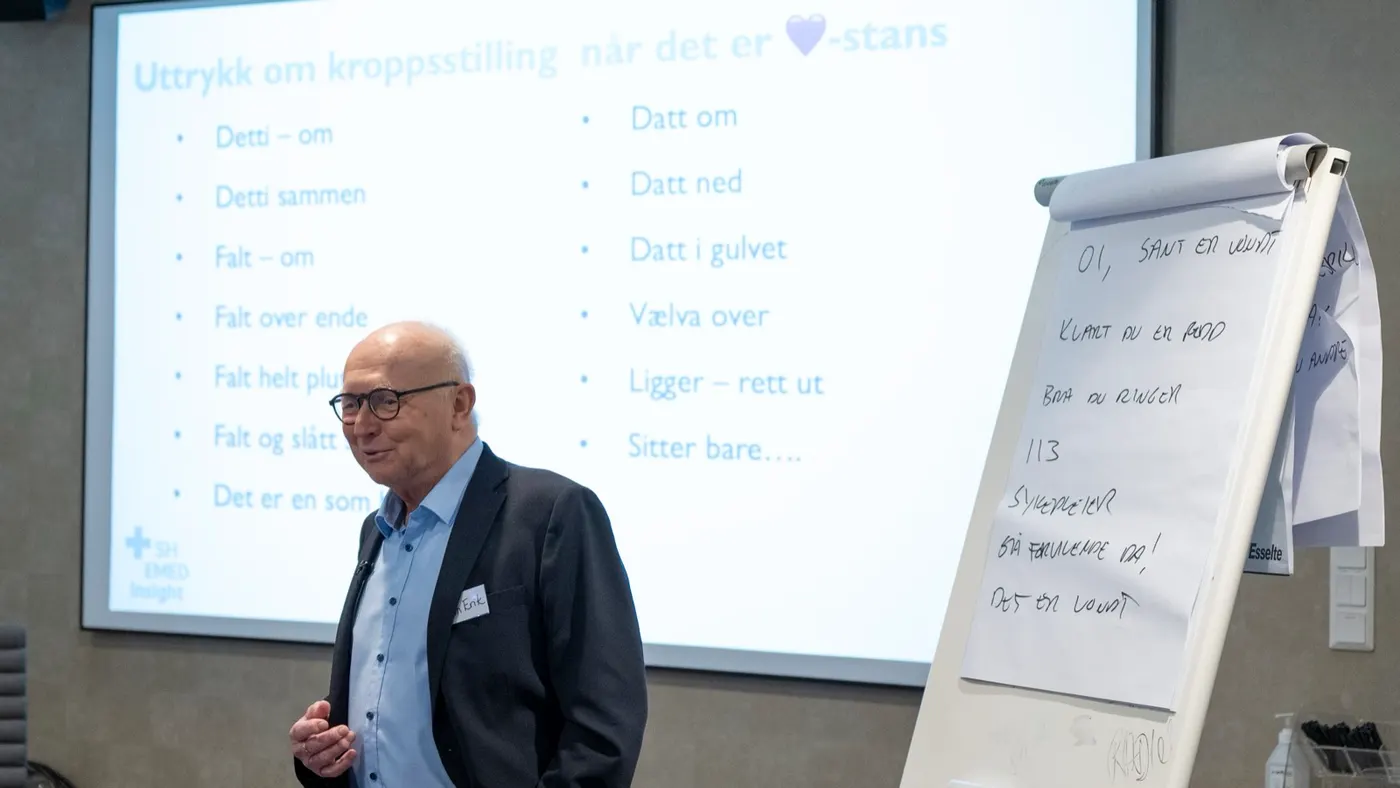
Communication in emergency dispatch centres
- Goal:
- A sense of safety in seconds and good decisions under stress
- Suitable for:
- 110, 112, 113, out-of-hours and other dispatch centres
- Duration:
- Blended training with talks and digital learning, tailored to each centre
· Photo: Thomas Løberg (opens in a new tab)
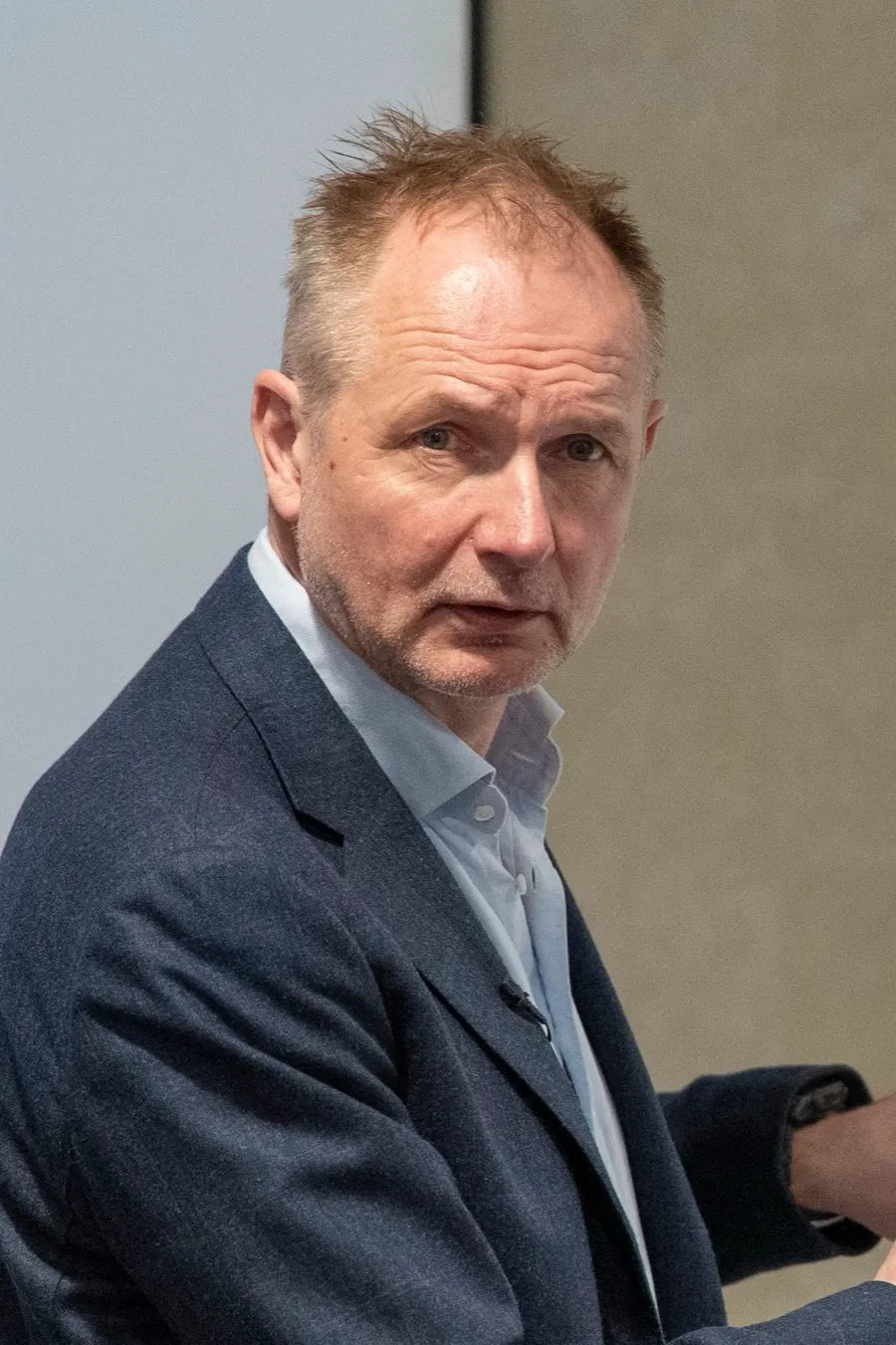
Leadership course: When the damage is done
- Goal:
- Restore trust after complaints and adverse events
- Suitable for:
- Leaders who have to face those affected
- Duration:
- Two days · up to 16 participants · normally two course leaders
(Somsagt) · Photo: Thomas Løberg (opens in a new tab)
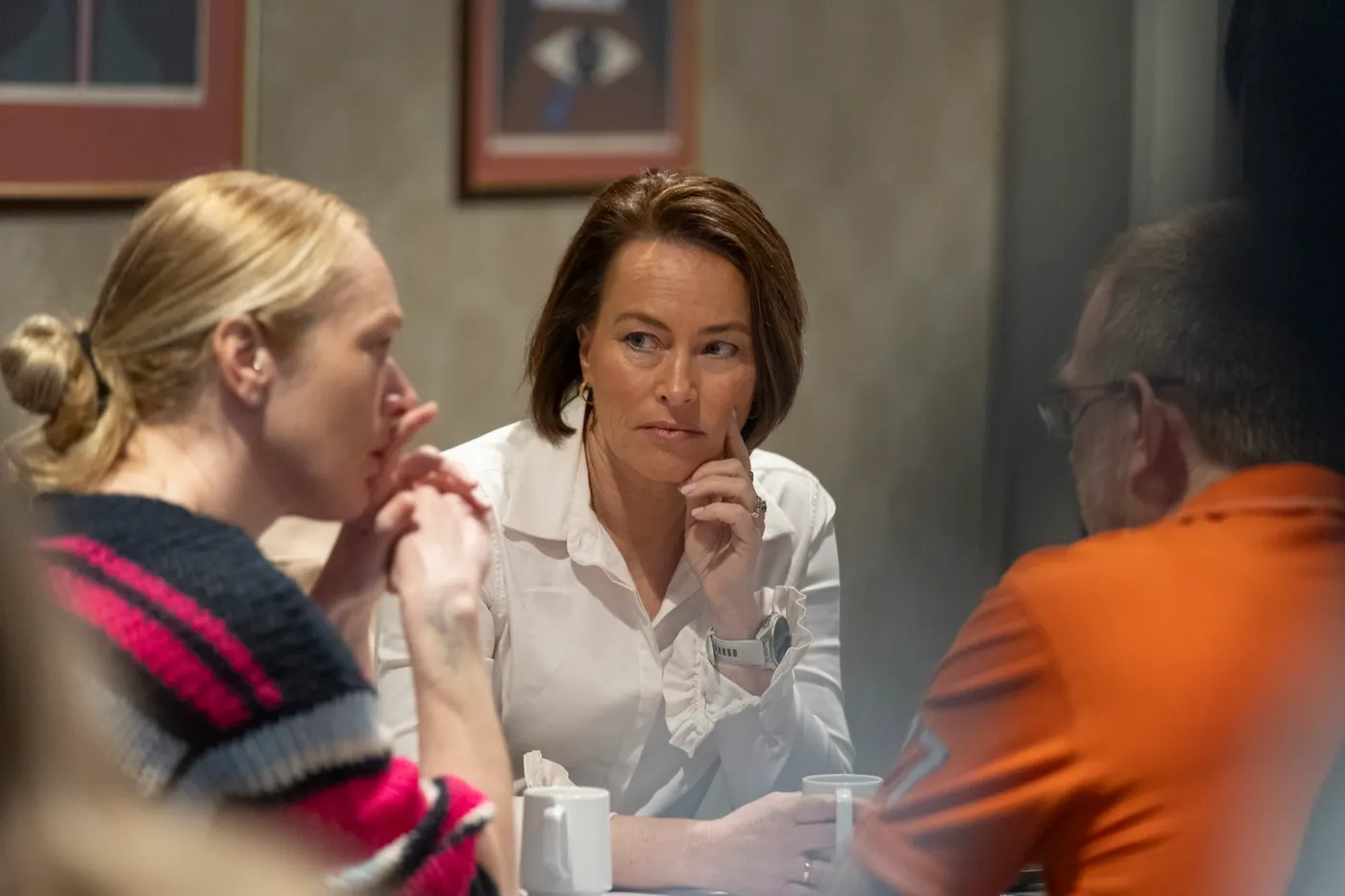
Leadership coaching: “Got two minutes?”
- Goal:
- Better everyday conversations – relationship before task
- Suitable for:
- Leaders – especially if you were good at your profession and became a leader
- Duration:
- Short coaching sessions, usually spread over 8–12 weeks
(Somsagt) · Photo: Thomas Løberg (opens in a new tab)
Could this be something for you?
Tell us what you have in mind, and
get answers to your questions.
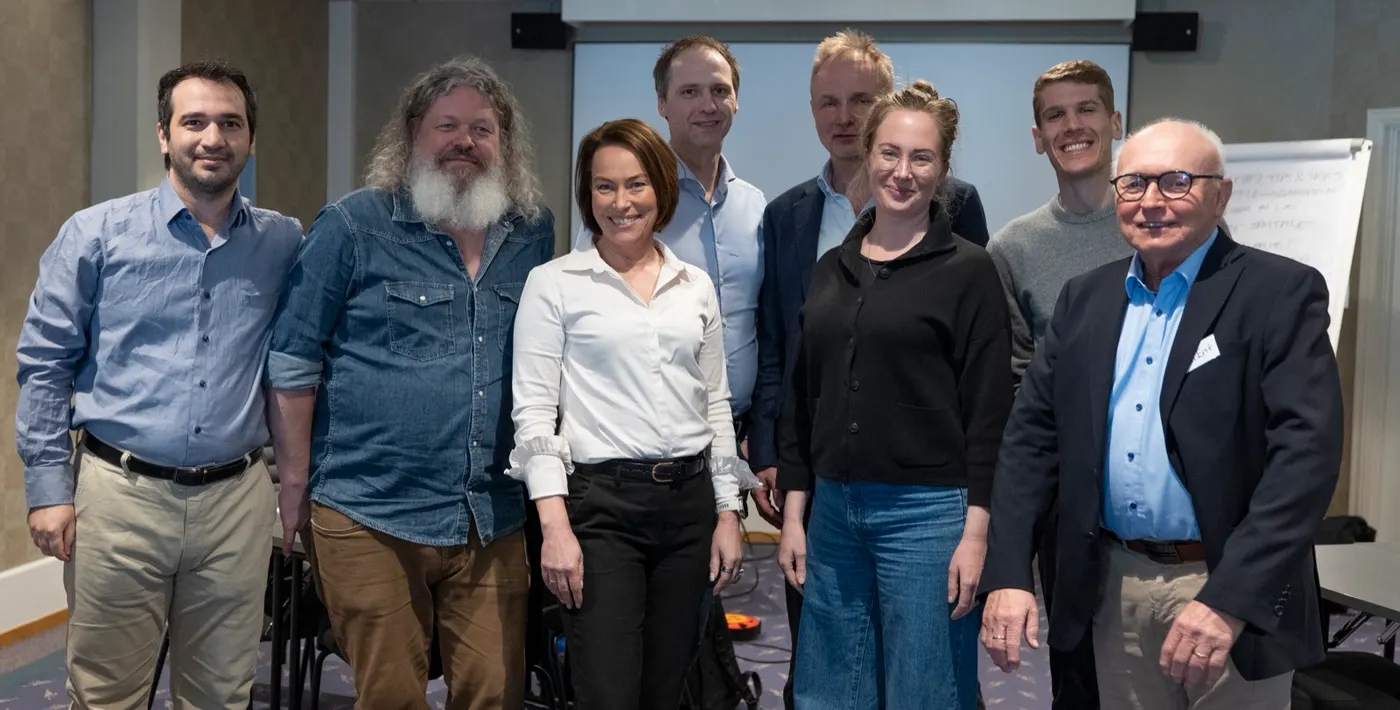
Contact usThe research team of the 113 project RescueVoice Pro visiting the emergency medical communication centre in Førde. The project is supported by the Research Council of Norway and led by Somsagt (project leader Bård Fossli Jensen) in collaboration with SoftwareOne, Akershus University Hospital, Oslo University Hospital, OsloMet, the University of Oslo, the Norwegian Cardiac Arrest Registry and emergency medicine specialists. From left: (SoftwareOne), (Somsagt), (Somsagt), (SoftwareOne), (Somsagt), (Ahus), (SoftwareOne), · Photo: Thomas Løberg (opens in a new tab)